
Do I have to know the animal before I call?
No. Tell us where the noise is and what time of day you hear it. A smell, a torn vent, or "something ran along the ceiling at dawn" is plenty.
Most "it came back" stories start with a skipped step: a trap set before anyone found the way in, or foam stuffed in a hole that was never really closed. We start with the house.
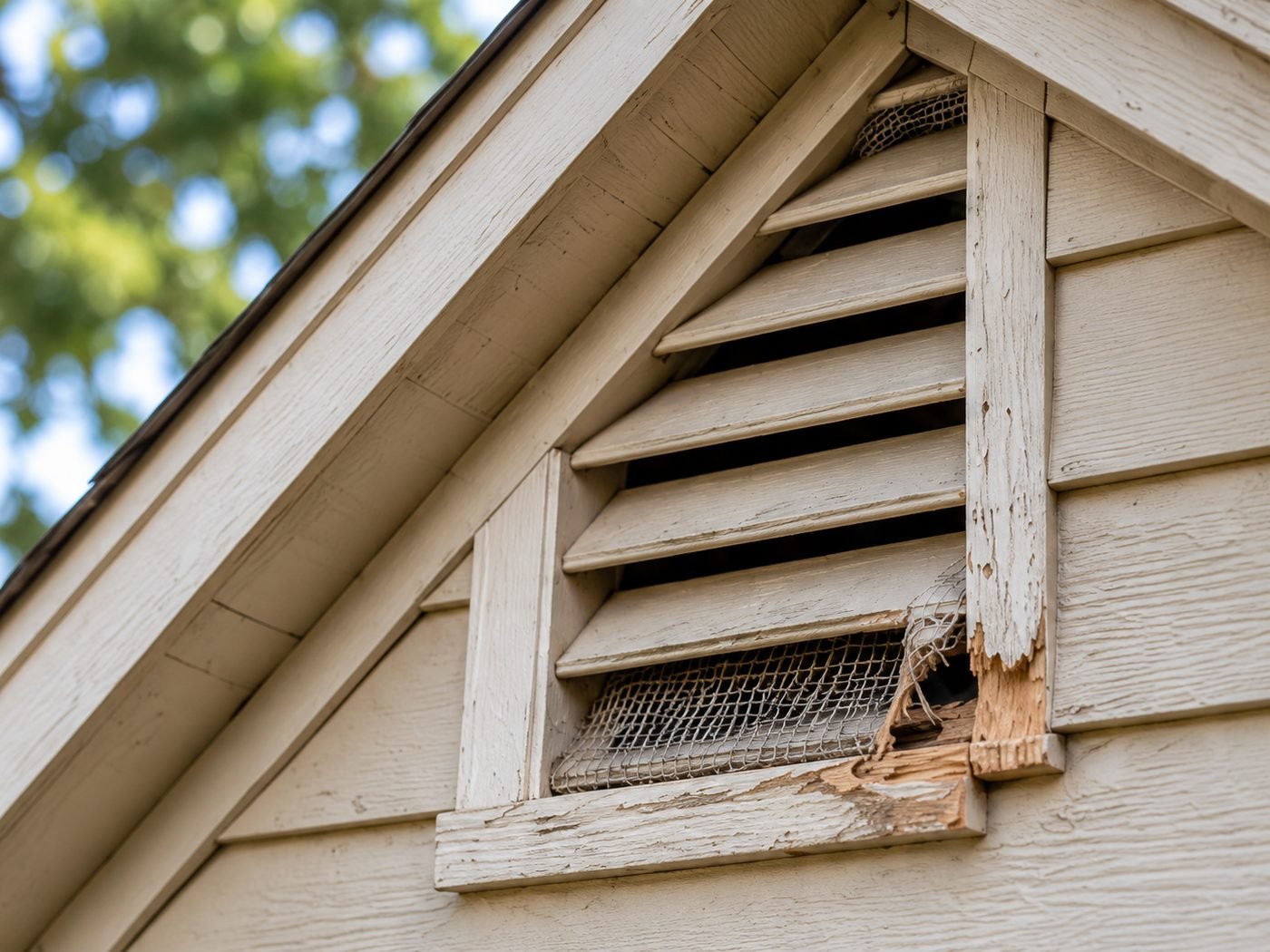
We look where you heard it, and where an animal could actually live. Attic, roofline, crawl space, under the deck. Sometimes the noise is a squirrel and the smell is something else. We want the whole picture before we talk about work.
Animals are specific. A thumb-wide gap can be a bat door. A torn gable screen can be a squirrel door. A raccoon may have made the door bigger on the way in. We trace the opening so the repair matches the animal.
You get plain talk. What we found, what we recommend, and what it takes. Removal and closing the entry are different jobs. One without the other is how people meet the same raccoon twice. If babies or protected bats change the timing, we say that before anyone closes a hole.
When you want us to go ahead, we remove the animal in a way that fits the species and the season. Then we close the opening with materials teeth cannot treat as a snack. Foam by itself is not a repair. A preventive seal-up is the part that keeps the quiet. The local service page is where that work gets scheduled.
The rules follow the state the house is in. Indiana times bat colony work to about June 1 through August 15. Ohio restricts exterior bat exclusion from May 16 through July 31 for a colony, and from October 15 through March 31 if bats may be hibernating. Ohio also says a captured raccoon, skunk, or opossum is released on the property or euthanized, not driven to another county. You do not have to study the regulations tonight. The local team will say what applies before work starts.
The state pages are the Indiana DNR bat page and the Ohio DNR bat page. We follow the one that matches the house.
No. Tell us where the noise is and what time of day you hear it. A smell, a torn vent, or "something ran along the ceiling at dawn" is plenty.
The animal, the access, and the size of the repair all change the job. A squirrel in a gable vent and a raccoon family in a torn soffit are not the same afternoon. We look, then we give you an estimate for your house.
Then we do not seal the hole and hope. Spring raccoons, and squirrels with a nest, need a plan that does not trap young in the wall. We will say so before any closing work.
We can inspect and plan. Indiana asks crews not to remove a colony from about June 1 through August 15. Ohio restricts exterior exclusion from May 16 through July 31 when five or more bats are present, and from October 15 through March 31 if any bats are present. We do not seal flightless bats inside.
Tell us what you're hearing and when. You don't have to know what it is.
Call for helpWe'll contact you about your request.